Why I created VoLog: stay in the game without losing the story
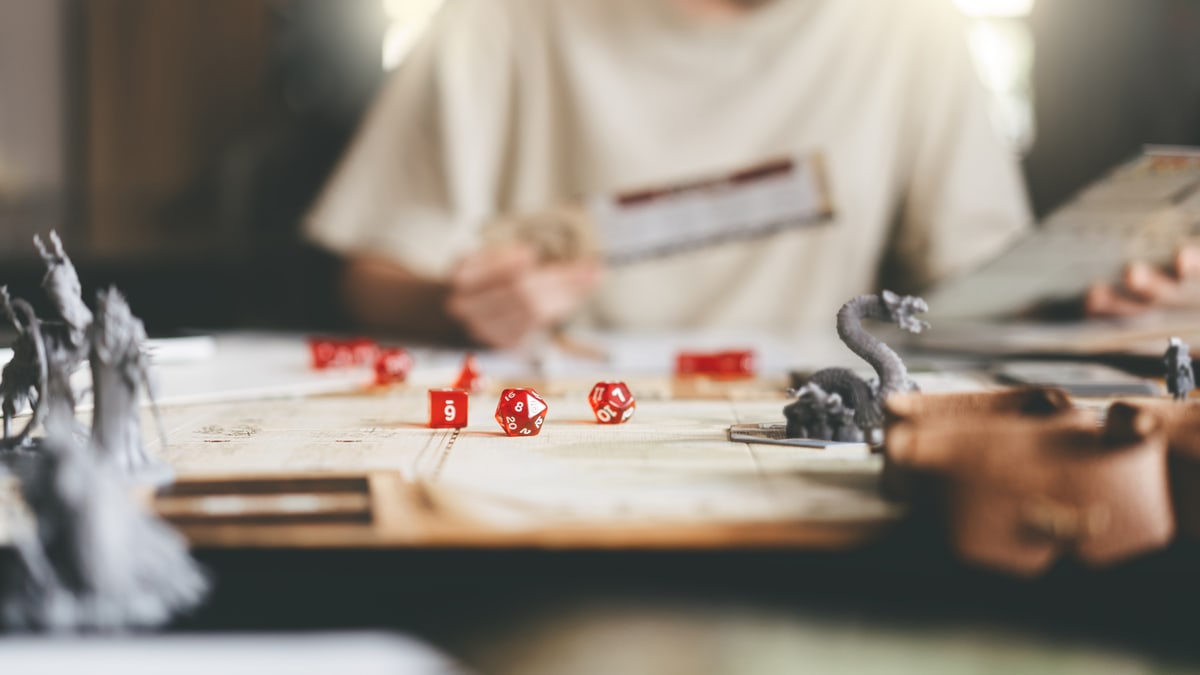
I have been playing tabletop RPGs for four years. I started with D&D 5e, the classic choice, and loved it straight away. Two campaigns later, I wanted to try different kinds of games. Channel Fear, Pathfinder, Warhammer, Alien, Hunter, Vampire: The Masquerade, Knight, Troika, and others all found their way to my tables.
The worlds changed, and so did the rules, but I kept running into the same problem. Whenever the GM described an important place or a character shared a clue, I had to choose between paying attention and taking notes.
I have never been very good at doing both at once.
A choice I no longer wanted to make
If I focused on my notebook, I kept track of the facts but stepped out of the scene. I would still be trying to spell a name while everyone else had already started responding. My character faded into the background and the conversation moved on without me.
If I put the notebook away, I enjoyed the game much more. The downside was that I might forget a detail, confuse two characters, or no longer remember why we had made a choice three weeks earlier.
My notes often ended up in a frustrating middle ground. They were not complete enough to tell the story, but taking them still demanded too much of my attention.
My reason for coming to the table is simple: I want to have fun. I want to listen, respond, improvise, and share the scene with everyone else. I do not want to spend the evening writing a report.
The recap at the start of the next game
Some groups have someone who takes excellent notes and enjoys preparing a recap. When that happens, it is incredibly helpful. It is not something every group can rely on, though.
More often, everyone writes down a few things separately. One person remembers a name, someone else records a promise, and another player keeps the contents of a letter. Two or three weeks later, at the start of the next game, we have to piece it all together.
We remember the big scene, but not always the reason that led us there. We hesitate over a character's name. Two locations get mixed up. Everyone holds part of the answer, written in a different way.
That moment can be funny, but it can also take time and slow down our return to the story.
I started by recording our conversations
So I tried something direct: record the conversation with the group's agreement, then turn it into writing.
During the game, I could still keep a small notebook beside me. I only scribbled down what I needed in the moment, such as a lead to follow, a question to ask, or a person's name. I no longer tried to preserve everything on my own.
Afterwards, I had a much fuller record of what had been said. I could revisit a scene, find a piece of information, or prepare for the next game with a clearer head.
A new difficulty appeared almost immediately. A game is not a perfectly ordered story. It includes jokes, breaks, conversations unrelated to the adventure, rules questions, and all the small detours that are part of spending an evening with friends. The written version was long and hard to navigate.
I did not want to reread several hours of conversation just to find one decision.
Finding what actually belonged to the game
I started using artificial intelligence to help me organise that long written record and bring the adventure itself back into view. I explain how VoLog uses it on the AI transparency page.
I was not trying to replace our memories or invent anything we had not played. I simply wanted to find the important parts in a form that felt good to read: scenes, characters, locations, choices, and the items we discovered along the way.
Over time, I brought those needs together in one place that I wanted to keep simple: start from what we actually said, recover the useful parts, and then carry on playing. That is where VoLog began.
Designing tools is my job, but I did not want to add more work to a game night. I wanted something that felt simple from the start.
After using VoLog for my own games for several months, I wanted to share it with other players. Preparing a Session does have a cost. That is why the price appears before creation. Your first Session created from Discord or an audio file is free.
Two ways to start from the game itself
Not every group plays in the same place. When a game happens on Discord, the bot can join the voice channel. It keeps voices separate, then the person who started VoLog receives the short recap of the game and a transcript link by direct message. Other participants can request the short recap of the game. You can decide afterwards whether the game should become a Session.
Around a physical table, a phone or voice recorder is often enough. After the game, the audio file can be added to VoLog to create the Session directly.
These paths do not require the same steps, and they do not give you exactly the same thing at first. They still answer the same need: nobody at the table should have to write everything down while everyone else gets to play.
I still keep a few reminders in my notebook. A name, a question, or a clue may help me in the moment. Recording does not replace those small habits. It simply stops them from carrying the whole memory of the campaign.
A record that leaves room for play
VoLog grew from a very personal need. I wanted to stop choosing between a Full note and a good evening at the table.
I still take a few quick notes when they help me during the game. The difference is that I no longer expect those few lines to carry the entire memory of a campaign.
A tabletop adventure can last for months or years. It gathers characters, places, promises, mistakes, and scenes that nobody expected. Some become epic. Others simply make the whole table laugh. Either way, they deserve better than a memory that becomes less certain over time.
That is where VoLog comes from: the wish to be fully present in the game today, while keeping something clear to revisit tomorrow.